


What Is Suede Boots?
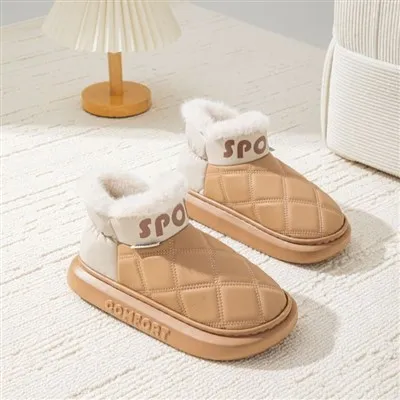
Suede boots are boots made from suede leather, which is a type of leather with a soft, napped finish. Suede is created from the underside of animal hides, typically from cows, and is known for its velvety texture and luxurious appearance. Suede boots are popular for their stylish and fashionable look, as well as their versatility in pairing with various outfits.
Suede boots come in different styles, including ankle boots, knee-high boots, and over-the-knee boots. They are often seen in both casual and more formal settings, depending on the design and details of the boot. Suede boots can be found in a range of colors, from classic neutrals like black, brown, and tan, to more vibrant hues like red, blue, or green.
Soft and comfortable
One of the main benefits of suede boots is that they are extremely soft and flexible. The polishing or sanding process used to create suede boots produces a luxurious material that is gentle to the touch. This makes suede boots ideal for clothing and accessories where comfort is a priority.
Unique look
The velvety surface and matte finish of suede boots give it a unique and stylish look. The fuzz adds depth and richness to the leather, creating a sense of luxury and sophistication. Whether used for fashion, interior decoration or home decoration, suede boots add an element of elegance to any product they decorate.
Versatility
Suede boots are versatile and can be used for a variety of purposes. It is commonly seen in fashion items such as jackets, skirts and handbags, as well as accessories such as shoes, belts and gloves. In addition, suede boots are used in upholstery and interior design to add texture and visual interest to furniture and decoration.
Breathability
Unlike other types of leather, suede boots have excellent breathability, allowing air to pass through the material. This makes it comfortable to wear in warm climates or during physical activity as it helps regulate temperature and prevents moisture buildup.
Easy to dye
Suede boots are easily dyed and finished, allowing for a wide range of colors and effects. This versatile coloring capability makes it easy to customize suede boot products to suit personal preferences and design trends.


Why Choose Us
Factory
Ningbo Biomax Group was founded in 2011 and is headquartered in Ningbo, Zhejiang, China. There are 3 development centers in Ningbo, Jinjiang and Chaozhou. We own a plush raw material factory, an injection molding factory and three shoe factories in Ningbo Cixi.
Rich product species
The product field covers all categories of footwear and slippers. Including fashion shoes, slippers, injection molding shoes, vulcanized shoes, sports shoes, beach shoes and other glued shoes for all genders.
Superior sales volume
We produce and ship more than 15 million pairs of shoes each year, with a turnover of 40 million US dollars in 2023.
Professional certification
The company has obtained certifications such as GRS&RCS, BSCI, OEKO-TEX and SMETA.
Ankle boot
These boots extend up to the ankles. A slip-on ankle boot with an elastic side panel is called a chelsea boot, and an ankle boot made of suede or leather with laces is known as a chukka boot or desert boot.
Cowboy boots
Initially worn by cowboys as work boots, cowboy boots are heeled shoes with a wide shaft that hits mid-calf.
Hiking boots
These athletic shoes have slip-resistant rubber soles, a thick insole for arch support, thick upper material, and extend up to the ankle. These shoes are used for hiking and walking in different weather conditions. Some hiking boots are insulated for warmth or are waterproof.
Knee-high boots
These boots extend to the knee and have a heel and pointed or rounded toe. Knee-high boots were originally created as horse riding boots to protect riders from mud.
Wellington boots
These waterproof boots (named after arthur wellesley, 1st duke of wellington) protect feet from the rain. Wellington boots are also known as galoshes or rain boots and have a thick, slip-resistant rubber sole and a shaft that hits at the mid-calf or knee.

Accessories
Named for gloves, suede is popular for all sorts of accessories, from gloves to handbags, and belts. Suede's unique appearance makes it a favorite fabric choice among fashion designers for accent items such as bags and belts.
Outerwear
Western fringe jackets are famously made of suede, and a suede jacket is a fashion staple, thanks to the beautiful suede texture and its durability.
Toe box
The top of the toe box usually has a reinforced area to provide extra protection for this vulnerable area of the shoe. There may also be a metal plate embedded in the toe box to protect it from impact damage in case something heavy falls on it (which occasionally happens when objects are dropped).
Toe upper
The toe box, also called the vamp, is the part of the shoe that covers your toes and allows you to walk comfortably. The toe box can be made of leather or other materials, such as rubber or plastic. The toe box can be high (covering most of the toe) or low (covering only the front of the toe). The toe box can also be tapered or rounded - the tip will usually point upward in one direction or the other. Some toe boxes are embroidered or perforated to make them more visually interesting; others are more plain but still provide enough support when walking on hard surfaces, such as concrete streets.
Eyelets
The eyelets are the small holes in the shoe that you can use to tie your shoelaces. Eyelets are usually made of metal, but can also be made of plastic. The most common location for eyelets is on the sides of the shoe near the edge of the toe box, though some boots have eyelets elsewhere.
Tongue
Tongues can be made of different materials and have different shapes. Some tongues are more flexible than others, while others are more supportive or rigid, depending on what the tongue is designed to be used for (e.G. Basketball shoes vs. Running shoes).
Collar
The collar is the part of the shoe that covers the ankle. It is usually made of a large piece of leather or other material and may be padded for comfort and protection. Collars can also be high, low, or something in between; it all depends on your preference!
Heel pull tab
The heel pull tab is a small piece of leather or other material that is attached to the heel of the shoe. It can be stitched, glued, or sewn into place and helps hold the heel of the shoe together.
Heel counter
The heel counter is a piece of material sewn onto the upper of the shoe. It provides support and reinforcement to the heel while also being aesthetically pleasing and noticeable from the inside out. Leather heel counters usually have a visible seam where they join the sole, while plastic heel counters are usually seamless.
Outsole
The outsole is the bottom of the shoe. It is made of rubber or plastic and protects your foot from sharp objects on the ground. The outsole will wear out over time, so if this happens, you may need to replace it.
Logo
A shoe logo is the name, symbol, or other graphic representation of the brand. It usually appears on the tongue, but it may appear elsewhere on the shoe. The main purpose of a logo is to help identify different brands and make them easy for consumers to recognize.
Midsole
The midsole is the part of the shoe that sits between the outsole and the insole. Made of eva (ethylene-vinyl acetate), rubber, or plastic, the midsole provides cushioning and support for your feet. The midsole also protects your feet from impact.
Forks
Banding is the band that wraps the sidewall of the sole around the entire shoe, usually separate from the sole and upper to repair the seam where the upper and sole join, usually attached through a vulcanization process, which is common in athletic shoes.
Insoles
The insole is the innermost part of the shoe, next to the foot. Insoles are usually made of cork, rubber, or plastic. Insoles provide comfort and support to the foot by absorbing shock and distributing pressure evenly across the bottom of the foot.
Suede boots are not waterproof because they are more fragile and porous than traditional leather. The soft, fuzzy texture of suede boots is created by sanding the underside of the animal hide, which opens up the pores and makes them more susceptible to water damage.
Suede boots can fade, harden, and lose their shape when exposed to water. Water can also harden the fibers of suede boots, resulting in a rough, uneven texture. Additionally, water can leave stains on suede boots that are difficult to remove.
To protect suede boots from water damage, it is important to spray the surface of the suede boots with a water-repellent and stain-repellent spray. This helps prevent water from penetrating the pores of the suede boots and causing damage. However, even with a waterproof spray, suede boots should still be protected from rain and other sources of moisture.
If suede boots do get wet, be sure to let them air dry in a cool, dry area away from direct sunlight or heat. Do not use a hair dryer or other heat source to dry suede boots, as this can cause them to shrink or lose their shape. Once the suede boots are dry, they should be brushed with a suede boot brush to restore the texture.
In conclusion, suede boots are not waterproof and require special care and maintenance to prevent water damage. Water and stain repellent sprays can help prevent damage, but suede boots should still be kept away from rain and other sources of moisture. If suede boots do get wet, they should be allowed to dry naturally and then brushed to restore their texture.

How to Maintain Suede Boots
Cleaning
Wipe the boots with a damp cloth to remove dirt and salt stains. Use a soft brush to remove any dried mud or debris. Avoid using harsh chemicals that can damage the material. For suede or nubuck boots, use a suede brush or eraser to remove stains.
Drying
After wearing your boots in damp conditions, allow them to air dry at room temperature. Avoid leaving them near direct heat sources, as this can cause the material to crack or warp. Stuff the boots with crumpled newspaper to help absorb moisture and maintain their shape.
Waterproofing
Regularly use a waterproofing spray or wax to keep your boots waterproof. Follow the manufacturer's instructions and reapply as needed, especially after cleaning or extended use. Always apply the waterproofing product evenly and allow it to dry completely before wearing the boots.
Storage
Store your winter boots in a cool, dry place out of direct sunlight. Stuff the boots with newspaper or use a boot stretcher to help maintain their shape. Keep away from heat or excessive moisture, as these can damage the material over time.
Sole care
Check the condition of the soles regularly. If the soles of your boots become worn or slippery, consider having them professionally replaced to restore traction and extend the life of your boots.
Odor control
To keep your boots smelling fresh, sprinkle baking soda inside them at night and shake the powder off in the morning.
How to Storage The Suede Boots
Before storing your shoes, always clean them well! Clean leather and suede shoes with a soft-bristled brush. Special leather and suede cleaning chemicals can also be used to remove stains. Canvas shoes can be cleaned with soap and water! Lacquer leather shoes can be cleaned with clean water and a soft muslin cloth!
Shoes should be sorted and matched according to season and purpose! For example, all high heels and party wear can go together, all boots and winter shoes can go together, and so on.
Exposure to heat and sunlight can cause leather to fade! Excessive moisture can lead to the growth of mold or fungus. For best results, always store shoes in a cool, dry, and temperature-controlled place.
Boots should be stored in a boot rack to help them maintain their shape. Other shoes should be stored with shoe trees to help them maintain their shape. Alternatively, you can use acid-free tissue paper to stuff shoes.
Plastic or wooden shoe racks can be used to store shoes in an organized and user-friendly manner.
Shoes must always be stored in cloth bags! If cloth bags are not available, you can also use pillowcases! Never store shoes in plastic, as any type of leather/animal hide needs to breathe!
If you know you won't be wearing your shoes for a few months, store them in their original box. Alternatively, place them in a plastic box so you can see through the box.
Place a bag of silica gel in each pair of shoes you store so it absorbs excess moisture and prevents mold or fungus growth!
Don't stack shoes on top of each other!
Sustainable production
As consumers become more environmentally conscious, there is a growing demand for sustainable and ethical production practices. Jinqiu Sports Company is committed to producing high-quality suede shoes using sustainable and eco-friendly materials and processes.
Innovative designs
New technologies and materials will allow for more innovative and creative suede shoe designs, such as 3D-printed suede shoes or shoes made from recycled materials.
Increased customization
With advances in technology, it will be easier to customize suede shoes to fit individual preferences and needs, such as custom fit and style.

Our Factory
Ningbo BlOMSIS Group was founded in 2011, the head office is located in Ningbo, Zhejiang, China. There are 3 development centers located in Ningbo, Jinjiang and Chaozhou. We have Plush Raw Material Factory, Injection Molding Factory, and three shoes producing factories in Cixi, Ningbo.
Product areas cover all categories of footwear and slippers. It includes fashion shoes, slippers, injection, vulcanized, sports, beach and other cemented shoes in all genders.
We produced and shipped more than 15 million pairs of shoes per year, with turn over of 40 million USD in 2023.
Company got the certificates of GRS&RCS, BSCI, OEKO-TEX, and SMETA, etc. We warmly welcome you to visit our group in near future, and make cooperation with good values.

FAQ
Q: Can I clean suede shoes at home or should I take them to a professional?
Q: Are there any natural remedies for suede shoe cleaning?
Q: How often should I clean and maintain my suede shoes?
Q: Does suede shoe cleaning remove their original texture?
Q: Can I use a regular brush for suede shoe cleaning?
Q: Can I clean suede shoes at home or should I take them to a professional?
Q: Are there any natural remedies for suede shoe cleaning?
Q: How often should I clean and maintain my suede shoes?
Q: Can I use a regular brush to clean suede shoes?
Q: What is the point of suede boots?
Q: Is suede 100% leather?
Q: What material is suede boots?
Q: Is suede boots waterproof?
Q: Are suede Boots ok for winter?
Q: Is suede a luxury?
The underside of animal skin is much softer than the outside, but it is also less resistant to the elements and stains. Therefore, suede is usually treated as a luxury material; while it lacks the durability of normal leather, it is much softer to the touch and more comfortable when worn against the skin.
Q: Is suede better than leather?
Q: Is suede more expensive than leather?
Q: Can you wash suede?
Q: Are suede boots more comfortable?
Q: Is suede good for summer?
We're professional suede boots manufacturers and suppliers in China, specialized in providing high quality products and service. We warmly welcome you to wholesale customized suede boots made in China here from our factory.
suede boots, Outdoor Suede Boots, black boots for women suede