

What materials are used to make leather sandals?
Jul 21, 2025
Leave a message
Leather sandals have long been a staple in footwear fashion, offering a perfect blend of style, comfort, and durability. As a leading supplier of Leather Sandals, we take pride in understanding the various materials used in crafting these timeless pieces.

Types of Leather
- Full - Grain Leather
Full - grain leather is the highest quality leather available. It is made from the outermost layer of the hide, which retains the natural grain and markings. This type of leather is extremely durable, as it has not been sanded or buffed to remove imperfections. Over time, full - grain leather develops a beautiful patina, which adds to its character and value. Our full - grain leather sandals are often used in high - end and classic designs, appealing to customers who appreciate quality and longevity. - Top - Grain Leather
Top - grain leather is also of high quality. It is made by splitting the full - grain hide and sanding the surface to remove any blemishes. This results in a smoother, more uniform appearance compared to full - grain leather. While it may not develop the same depth of patina as full - grain leather, top - grain leather is still very durable and is a popular choice for a wide range of leather sandals. It is often used in both casual and dressy styles, offering a balance between quality and cost. - Corrected - Grain Leather
Corrected - grain leather is made from lower - quality hides that have been sanded to remove major flaws. A artificial grain pattern is then embossed on the surface to mimic the look of natural leather. This type of leather is more affordable than full - grain or top - grain leather, but it may not be as durable. It is commonly used in budget - friendly leather sandals, especially those with trendy designs that are meant to be worn for a shorter period.
Other Materials Used in Leather Sandals
- Sole Materials
- Rubber
Rubber is a popular choice for the soles of leather sandals. It provides excellent traction, which is important for walking on various surfaces. Rubber soles are also flexible, comfortable, and resistant to wear and tear. They can be molded into different shapes and designs, making them suitable for both casual and athletic leather sandals. - EVA (Ethylene - Vinyl Acetate)
EVA Sandals are known for their lightweight and cushioned properties. EVA soles are often used in sandals designed for comfort, such as beach sandals or walking sandals. They are also resistant to water and chemicals, making them a practical choice for outdoor activities. - Leather Soles
Leather soles offer a classic and elegant look. They are typically used in dressier leather sandals. Leather soles are breathable, which helps to keep the feet cool and dry. However, they may require more maintenance compared to rubber or EVA soles, as they need to be regularly polished and protected from moisture.
- Rubber
- Strap Materials
- Leather Straps
Leather straps are the most common choice for leather sandals. They can be made from the same type of leather as the upper part of the sandal or a different type for a contrasting look. Leather straps can be dyed in a variety of colors, allowing for a wide range of design options. They are durable, comfortable, and conform to the shape of the foot over time. - Fabric Straps
Fabric straps are often used in combination with leather in sandals. They can add a touch of softness and flexibility to the design. Fabric straps can be made from materials such as cotton, nylon, or polyester. They are available in different patterns and colors, making them suitable for both casual and trendy sandal styles. - Metal Straps
Metal straps, such as those made from stainless steel or brass, can add a modern and edgy look to leather sandals. They are often used in minimalist or fashion - forward designs. Metal straps are durable and resistant to corrosion, but they may be less comfortable than leather or fabric straps, especially for extended periods of wear.
- Leather Straps
Production Process and Quality Control
At our company, we have a strict production process to ensure the quality of our Leather Sandals. The leather is carefully selected based on its quality, grain, and color. It is then cut and shaped according to the design specifications. The straps and soles are attached using high - quality adhesives or stitching techniques.
We also have a comprehensive quality control system in place. Each sandal is inspected for defects in the leather, stitching, and overall construction. We test the sandals for comfort, fit, and durability to ensure that they meet our high standards.
Market Trends and Customer Preferences
The market for leather sandals is constantly evolving, with new trends and customer preferences emerging. In recent years, there has been a growing demand for sustainable and eco - friendly leather sandals. Customers are also looking for sandals that are versatile and can be worn in different settings, from the beach to the office.
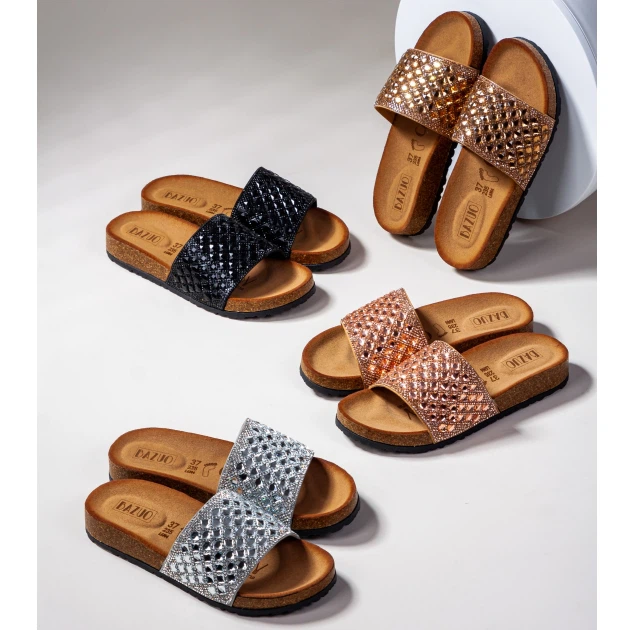
Women's Sandals in particular are seeing a trend towards more feminine and stylish designs, with details such as embellishments, bows, and heeled options. Men's sandals are becoming more fashion - forward, with a focus on clean lines and modern materials.
Conclusion
As a supplier of Leather Sandals, we understand the importance of using high - quality materials and following strict production processes to create sandals that are both stylish and durable. Whether you are looking for a classic pair of leather sandals for everyday wear or a trendy pair for a special occasion, we have a wide range of options to meet your needs.
If you are interested in our leather sandals or have any questions about our products, please feel free to contact us. We are always happy to assist you with your purchasing decisions and look forward to working with you.
References
- "The Complete Guide to Leather Types." Leatherology.
- "Footwear Materials and Their Properties." International Journal of Footwear Science.
- "Trends in the Sandal Market." Fashion Industry Analysis Report.