

What is the elasticity of EVA sandals?
Jul 25, 2025
Leave a message
Yo, what's up! I'm an EVA sandals supplier, and today I wanna talk about the elasticity of EVA sandals.
First off, let's understand what EVA is. EVA stands for ethylene-vinyl acetate. It's a super popular material in the footwear industry, especially for making sandals. Why? Well, it's got some pretty awesome properties, and elasticity is one of the key ones.
Elasticity, in simple terms, is how well a material can stretch and then go back to its original shape. When it comes to EVA sandals, this elasticity plays a huge role in how comfortable and functional they are.
One of the major benefits of the elasticity of EVA sandals is the fit. You know how sometimes you put on a pair of shoes, and they're either too tight or too loose? With EVA sandals, the elastic nature of the material allows them to conform to the shape of your feet. When you step into them, the EVA will stretch a bit to accommodate the contours of your foot, whether it's wide or narrow, high - arched or flat. It's like having a custom - fit shoe without having to pay extra for it.
Let's say you have a pair of EVA Sandals. When you first wear them, they might seem a little snug. But as you start walking, the EVA material starts to stretch and adjust to your feet. And once you take them off, they'll go back to their original shape, ready for the next wear. This is a big advantage compared to other types of sandals. For example, Artificial Leather Sandals or Leather Sandals might take a long time to break in. Leather can be stiff at first, and it might not conform to your feet as quickly as EVA does.
Another aspect where the elasticity of EVA sandals shines is in shock absorption. When you walk, run, or jump, your feet experience a lot of impact. The elastic EVA material acts like a cushion. It compresses when your foot hits the ground, absorbing the shock and reducing the stress on your joints. This is especially important for people who are on their feet for long periods, like nurses, waiters, or anyone who has an active lifestyle.
Think about it this way. If you're wearing a pair of non - elastic sandals, every step you take is like hitting a hard surface. Your feet and joints have to bear all the impact, which can lead to pain and fatigue over time. But with EVA sandals, the elastic material does the work for you. It spreads out the force of the impact, making your steps more comfortable and less strenuous.
The elasticity of EVA sandals also affects their durability. You see, a material that can stretch and return to its original shape is less likely to tear or break. When you walk, your feet move in different directions, and the sandals have to withstand that movement. The elastic EVA can handle this kind of stress without getting damaged easily.
Compared to other materials, EVA has a longer lifespan in terms of its ability to maintain its shape and elasticity. Leather sandals, for instance, can start to lose their shape and become stiff after a while, especially if they're not properly cared for. Artificial leather might also wear out quickly, especially at the seams. But EVA sandals can keep their elasticity and functionality for a long time, even with regular use.
Now, let's talk about how the elasticity of EVA sandals is affected by different factors. Temperature is a big one. EVA is more elastic in warmer temperatures. When it's hot outside, the EVA material becomes a bit softer and more pliable, which means it can stretch more easily. This is great because in the summer, when you're most likely to wear sandals, the EVA will adapt well to the heat and your feet will feel more comfortable.

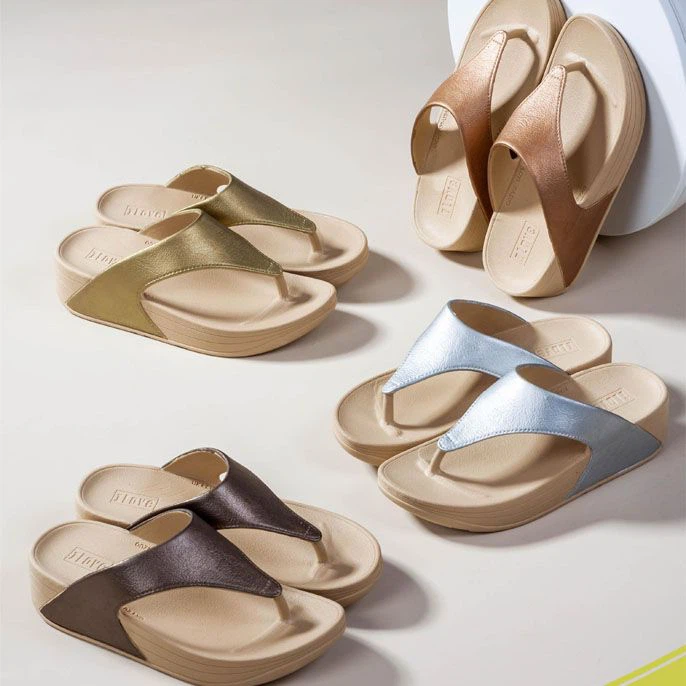
On the other hand, in colder temperatures, EVA becomes a bit stiffer. It doesn't stretch as easily as it does in warm weather. But don't worry too much about this. As long as you're wearing the sandals in normal indoor or outdoor summer conditions, the temperature won't have a huge negative impact on their elasticity.
The thickness of the EVA material also matters. Thicker EVA will generally be less elastic than thinner EVA. However, thicker EVA might offer more support and durability. So, it's a trade - off. If you're looking for maximum elasticity and flexibility, you might want to go for thinner EVA sandals. But if you need more support, especially if you have foot problems or if you're going to be doing a lot of walking, thicker EVA might be a better choice.
The manufacturing process also plays a role in the elasticity of EVA sandals. Different manufacturers use different techniques and additives to make their EVA. Some might add certain chemicals to increase the elasticity, while others might focus on making the material more durable. As a supplier, I make sure to work with manufacturers who use high - quality EVA and have a good understanding of how to balance elasticity and other properties.
In conclusion, the elasticity of EVA sandals is a game - changer. It offers a comfortable fit, great shock absorption, and good durability. Whether you're looking for a pair of sandals for a casual day out or for a more active lifestyle, EVA sandals are a great option.
If you're interested in purchasing EVA sandals for your store or for personal use, I'd love to have a chat with you. We can discuss your specific needs, such as the style, color, and quantity you're looking for. Just reach out, and we can start the procurement negotiation process.
References
- Footwear Materials Handbook: A Guide to Understanding and Selecting Materials for Footwear Design and Manufacturing
- Journal of Footwear Science: Articles on the properties and performance of different footwear materials