

What are the disadvantages of suede boots?
May 30, 2025
Leave a message
Suede boots have long been a staple in the fashion world, known for their soft texture and stylish appearance. As a suede boots supplier, I've witnessed the popularity of these boots firsthand. However, like any product, suede boots come with their fair share of disadvantages. In this blog post, I'll delve into some of the drawbacks that both consumers and retailers should be aware of when dealing with suede boots.
1. Susceptibility to Stains and Spills
One of the most significant disadvantages of suede boots is their high susceptibility to stains and spills. Suede is a napped leather, which means it has a soft, fuzzy surface that easily traps dirt and liquids. Unlike smooth leather, which can be wiped clean, suede requires special care to remove stains. A simple drop of coffee, a splash of water, or a brush against a dirty surface can leave a lasting mark on suede boots.
For example, if you're walking in the rain or snow, water can quickly soak into the suede, leaving unsightly water spots. And once the suede has dried, these spots can be difficult to remove completely. Similarly, oil-based stains, such as those from greasy foods or automotive lubricants, can penetrate the suede fibers, creating stubborn marks that may require professional cleaning. This sensitivity to stains makes suede boots a less practical choice for everyday wear, especially in messy or outdoor environments.
2. Difficulty in Cleaning and Maintenance
Cleaning and maintaining suede boots can be a time-consuming and often frustrating process. Unlike regular leather, which can be cleaned with a simple Leather Cleaner and wiped down, suede requires specialized cleaning products and techniques. To clean suede boots, you typically need a suede brush, eraser, or cleaning solution designed specifically for suede.
First, you must gently brush the suede to remove loose dirt and debris. Then, depending on the type of stain, you may need to use an eraser to target specific marks or a cleaning solution to treat more stubborn stains. After cleaning, you must let the boots dry naturally, which can take several hours or even days, depending on the weather conditions. And even after cleaning, there's no guarantee that the boots will return to their original condition. The suede may lose some of its softness or color, and the nap may become flattened or uneven.
This high-maintenance nature of suede boots can be a deterrent for many consumers, especially those who are looking for low-maintenance footwear. It also means that retailers may need to provide customers with detailed cleaning instructions and advice to ensure that the boots are properly cared for.
3. Durability Issues
Compared to other types of leather, suede is generally less durable. The soft, fuzzy surface of suede is more prone to wear and tear, especially in areas where the boots rub against each other or against other objects. For example, the heels and toes of suede boots are often the first areas to show signs of wear, as they come into contact with the ground and other surfaces more frequently.
Over time, the suede may become frayed, lose its nap, or develop holes. This can significantly reduce the lifespan of the boots and make them less suitable for long-term use. Additionally, suede is more susceptible to damage from sharp objects, such as nails or rocks, which can easily puncture or tear the delicate fibers.
As a suede boots supplier, I understand that durability is an important factor for many consumers. They want footwear that will last them a long time and withstand the rigors of daily wear. The durability issues associated with suede boots may limit their appeal to a more niche market, such as fashion-conscious consumers who are willing to sacrifice durability for style.
4. Weather Sensitivity
Suede boots are not well-suited for all types of weather conditions. As mentioned earlier, they are highly susceptible to water damage, which makes them a poor choice for rainy or snowy weather. When suede gets wet, it can become stiff, lose its shape, and develop water spots that are difficult to remove. In addition, prolonged exposure to moisture can cause the suede to mold or mildew, which can not only damage the boots but also pose a health risk.
Even in dry weather, suede boots can be affected by high humidity. Humidity can cause the suede to absorb moisture from the air, which can make it feel damp and heavy. This can also lead to the growth of mold and mildew if the boots are not properly dried and stored.
On the other hand, extreme heat and dry conditions can also damage suede boots. The heat can cause the suede to dry out and crack, while the lack of moisture can make it brittle and prone to tearing. This weather sensitivity means that suede boots may need to be worn only in specific weather conditions, which can limit their versatility and practicality.

5. Higher Cost
Another disadvantage of suede boots is their higher cost compared to other types of footwear. The production process of suede involves more steps and requires more specialized equipment and materials than regular leather. First, the leather must be split to obtain the soft, fuzzy suede surface, which can be a complex and labor-intensive process. Then, the suede must be treated and finished to give it its characteristic look and feel.
In addition, suede is often made from high-quality leather, which adds to its cost. This higher production cost is reflected in the retail price of suede boots, making them a more expensive option for consumers. While some consumers may be willing to pay a premium for the style and luxury of suede boots, others may find the cost prohibitive, especially considering the challenges associated with cleaning and maintenance.
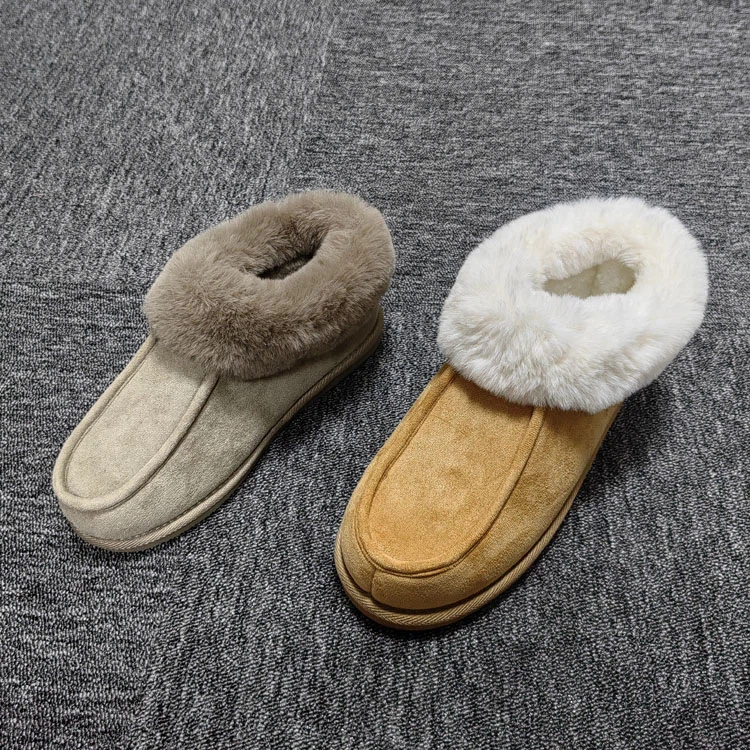
Despite these disadvantages, suede boots still have their place in the fashion world. They are often seen as a stylish and trendy choice, especially during the fall and winter months. If you look for lovely warm boots or Warm Suede Boots to keep you cozy and fashionable, suede boots can be a great option. And for women who want to add a touch of elegance to their outfit, Women's Suede Boots are a popular choice.
However, as a suede boots supplier, I believe it's important to be transparent about the disadvantages of suede boots so that consumers can make an informed decision. If you're considering purchasing suede boots, it's essential to weigh the pros and cons carefully and determine whether they are the right choice for your lifestyle and needs. And if you decide to go ahead with the purchase, be prepared to invest the time and effort into cleaning and maintaining your boots to keep them looking their best.
If you're a retailer interested in stocking our suede boots or have any questions about our products, please don't hesitate to reach out. We'd be happy to discuss your specific needs and provide you with more information about our suede boot collection. Contact us today to start a fruitful business partnership!
References
- “How to Care for Suede Boots.” The Spruce.
- “Suede: The Pros and Cons.” Footwear News.
- “The Ultimate Guide to Cleaning and Maintaining Suede Boots.” Real Simple.