

What are the different sole materials of sandals?
May 21, 2025
Leave a message
Sandals are a staple footwear option, especially during the warmer months. They offer breathability, comfort, and style. One of the key components of a sandal is its sole, which not only provides support and traction but also influences the overall durability and feel of the shoe. As a sandals supplier, I've had the opportunity to work with a variety of sole materials, each with its own unique characteristics. In this blog, I'll explore the different sole materials used in sandals and their pros and cons.
Rubber
Rubber is one of the most common sole materials used in sandals. It is known for its excellent traction, which makes it a popular choice for outdoor activities. Rubber soles can grip various surfaces, reducing the risk of slipping, whether you're walking on wet pool decks, rocky trails, or slippery streets.
In terms of durability, rubber is tough and can withstand a lot of wear and tear. It resists abrasion, meaning it won't easily break down or show signs of damage from regular use. This makes rubber-soled sandals a long - lasting investment.
Another advantage of rubber soles is their flexibility. They can bend and flex with the natural movement of your foot, providing a comfortable walking experience. Rubber also has some shock - absorbing properties, which helps to reduce the impact on your feet and joints as you walk.
However, rubber soles can be relatively heavy compared to some other materials. This might be a drawback if you're looking for extremely lightweight sandals for long - distance walking or running. Also, in very cold temperatures, rubber can become stiff, which may affect its performance and comfort.
EVA (Ethylene - Vinyl Acetate)
[EVA Sandals](/summer - slippers/sandals/eva - sandals.html) are highly popular due to the unique properties of the EVA sole material. EVA is a lightweight foam material that offers exceptional comfort. It molds to the shape of your foot over time, providing a customized fit.
One of the main benefits of EVA soles is their lightness. They are significantly lighter than rubber soles, making them ideal for activities where you need to move quickly or for extended periods. For example, if you're going on a long beach walk or a hike, EVA - soled sandals will put less strain on your feet.
EVA also has good shock - absorbing capabilities. It can cushion your steps, reducing the impact on your joints. This is especially beneficial for people with foot or joint problems.
However, EVA soles are not as durable as rubber. They can wear out more quickly, especially if they are exposed to rough surfaces or heavy use. Additionally, EVA may not provide the same level of traction as rubber, especially on wet or slippery surfaces.
Leather
Leather soles have a classic and elegant look, often associated with high - quality sandals. Genuine leather is a natural material that is breathable, allowing air to circulate around your feet. This helps to keep your feet dry and comfortable, reducing the risk of odor and blisters.
Leather soles are also relatively flexible and can conform to the shape of your foot. They provide a smooth and natural walking experience. Over time, leather soles develop a patina, which adds to their character and charm.
In terms of durability, high - quality leather can last a long time. With proper care, such as regular conditioning and protection from water, leather soles can maintain their integrity for years.
However, leather soles have some limitations. They are not as good at providing traction as rubber, especially on wet surfaces. Leather is also more expensive than some other sole materials, which can make leather - soled sandals a pricier option. Additionally, leather requires more maintenance compared to synthetic materials.
Artificial Leather
[Artificial Leather Sandals](/summer - slippers/sandals/artificial - leather - sandals.html) are a more affordable alternative to genuine leather. Artificial leather, also known as synthetic leather or faux leather, is made from man - made materials designed to mimic the look and feel of real leather.

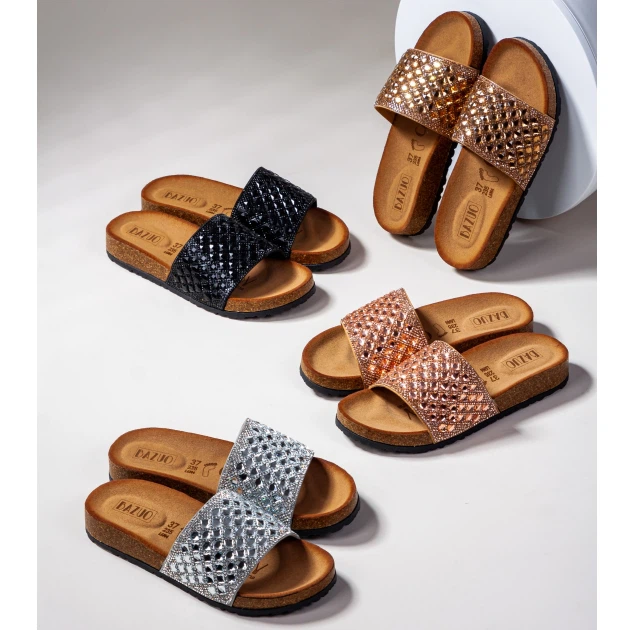
One of the advantages of artificial leather soles is their cost - effectiveness. They are generally less expensive to produce, which means that sandals with artificial leather soles can be more budget - friendly.
Artificial leather is also easier to clean and maintain compared to real leather. It is more resistant to stains and water damage, making it a practical choice for everyday use.
In terms of appearance, modern artificial leather can look very similar to real leather, so you can still achieve a stylish look without the high cost.
However, artificial leather may not have the same level of breathability as real leather. This can lead to your feet feeling hotter and more sweaty, especially during long periods of wear. Also, while it can be durable, it may not last as long as high - quality real leather.
PVC (Polyvinyl Chloride)
PVC is a synthetic plastic material that is commonly used in sandal soles. It is known for its affordability and versatility. PVC soles can be made in a variety of colors and styles, allowing for a wide range of design options.
PVC is relatively durable and can withstand normal wear and tear. It is also resistant to water and chemicals, making it suitable for use in wet environments or areas where there may be exposure to various substances.
One of the drawbacks of PVC soles is their lack of flexibility compared to some other materials. They may not bend as easily with the movement of your foot, which can make them less comfortable for extended periods of walking. Additionally, PVC is not as breathable as natural materials, so your feet may feel hot and sweaty.
Cork
Cork is a natural and sustainable sole material. It is lightweight, comfortable, and has excellent shock - absorbing properties. Cork molds to the shape of your foot, providing a custom - fit and support.
Cork is also breathable, allowing air to circulate around your feet. This helps to keep your feet dry and comfortable, reducing the risk of foot odor.
Another advantage of cork soles is their eco - friendliness. Cork is a renewable resource, as it is harvested from the bark of cork oak trees without harming the trees.
However, cork soles are not as durable as some other materials. They can be easily damaged by water and sharp objects. If exposed to moisture for extended periods, cork can start to break down and lose its shape.
Combination Materials
Many sandals use a combination of different sole materials to take advantage of the strengths of each. For example, a sandal might have a rubber outsole for traction and durability, combined with an EVA midsole for shock absorption and comfort.
This approach allows for the creation of sandals that offer the best of both worlds. They can be lightweight, comfortable, and provide good traction and support. Combination materials also offer more design flexibility, as different materials can be used in different parts of the sole to achieve specific functions.
Choosing the Right Sole Material
When choosing sandals, the sole material is an important factor to consider. Think about how you'll be using the sandals. If you're going to be doing a lot of outdoor activities on rough or wet surfaces, rubber or a combination with rubber might be the best choice for its traction and durability.
For everyday wear and comfort, EVA or leather (genuine or artificial) could be suitable options. EVA is great for its lightness and shock - absorbing properties, while leather offers breathability and a classic look.
If you're on a budget, PVC or artificial leather soles might be more appealing. And if you're environmentally conscious, cork or other sustainable materials could be the way to go.
As a sandals supplier, I offer a wide range of sandals with different sole materials to meet the diverse needs of my customers. Whether you're looking for [Women's Sandals](/summer - slippers/sandals/women - s - sandals.html) or men's styles, we have options available.
If you're interested in purchasing sandals in bulk for your business or for any other purpose, I'd love to have a discussion with you. We can talk about your specific requirements, such as the sole material, design, quantity, and budget. Please reach out to start a procurement conversation and find the perfect sandals for your needs.
References
- Footwear Industry Handbook, various authors
- Journal of Footwear Science, multiple issues
- Research on Synthetic and Natural Footwear Materials, academic studies