

What are the common signs of house clogs?
Jul 28, 2025
Leave a message
House clogs are a popular and practical footwear choice for many, offering comfort and style around the home. As a dedicated house clogs supplier, I've had the opportunity to observe the market closely and understand the needs of consumers. In this blog, I'll delve into the common signs that indicate you might be in need of new house clogs or that your existing ones are showing wear and tear.
1. Visible Wear on the Sole
One of the most obvious signs of a worn - out house clog is visible damage to the sole. Over time, the constant friction from walking on various surfaces can cause the sole to wear down. If you notice that the tread on the sole is becoming smooth, it's a clear indication that the clog has lost its grip. A smooth sole can be dangerous as it increases the risk of slipping, especially on wet or slippery floors in the bathroom or kitchen.
The material of the sole also plays a role in its durability. For instance, Unibody Clogs often have a high - quality sole that is designed to withstand regular use. However, even the best - made soles will eventually show signs of wear. If you see cracks, holes, or chunks missing from the sole, it's time to consider replacing your clogs.
2. Loose or Damaged Straps
Many house clogs come with straps to keep them securely on your feet. If you find that the straps are loose, frayed, or broken, it can significantly affect the comfort and functionality of the clogs. Loose straps may cause the clogs to slip off your feet while you're walking, which can be both annoying and potentially dangerous.
Frayed straps are often a sign of excessive wear and tear. The constant pulling and stretching can weaken the material of the straps over time. In some cases, you might be able to repair the straps, but if the damage is extensive, it's usually more practical to invest in a new pair. EVA Clogs sometimes have elastic or fabric straps, and these are particularly prone to wear.
3. Unpleasant Odor
A persistent unpleasant odor is another tell - tale sign that your house clogs may need to be replaced. Feet can produce sweat, and if the clogs are not made of breathable materials or if they are not cleaned regularly, bacteria can build up, leading to a foul smell.
Some materials, like certain types of plastic or synthetic materials, may trap moisture and odor more easily. If you've tried cleaning your clogs thoroughly with mild soap and water but the odor still persists, it's likely that the material has absorbed the bacteria and cannot be fully deodorized. In such cases, it's best to get a new pair of clogs. Look for clogs made of breathable materials that allow air to circulate around your feet, reducing the chances of odor buildup.
4. Loss of Cushioning
One of the main reasons people choose house clogs is for the comfort they provide, and a big part of that comfort comes from the cushioning. Over time, the cushioning in the footbed of the clogs can compress and lose its ability to provide adequate support.
If you start to feel every step on the hard floor or if your feet feel tired more quickly after wearing the clogs, it's a sign that the cushioning has worn out. Good quality clogs, such as Sports Clogs, are designed with advanced cushioning technology to provide long - lasting comfort. However, even these will eventually lose their effectiveness.
5. Discoloration and Stains
Discoloration and stubborn stains on your house clogs can also be a sign that they are past their prime. Stains that won't come out with normal cleaning methods can make the clogs look unappealing.
Some stains may be a result of spills in the kitchen or bathroom, while others may be due to dirt and grime from walking around the house. If the discoloration is widespread and the clogs no longer look presentable, it may be time to replace them. Additionally, discoloration can sometimes indicate that the material of the clogs is degrading.
6. Ill - Fitting
As we age, our feet can change in size and shape. If your house clogs used to fit perfectly but now feel too tight or too loose, it's a clear sign that they may not be suitable for you anymore.

Tight - fitting clogs can cause discomfort, blisters, and even circulation problems. On the other hand, loose - fitting clogs can make it difficult to walk properly and may lead to tripping. It's important to regularly measure your feet and ensure that you're wearing the right size of clogs.
7. Structural Damage
In some cases, you may notice more serious structural damage to your house clogs. This could include the clog coming apart at the seams, the upper part of the clog separating from the sole, or the heel becoming loose or detached.
Structural damage is often a result of poor quality manufacturing or excessive wear. Once a clog has significant structural damage, it's usually not worth trying to repair it, as the integrity of the entire shoe has been compromised. You'll need to invest in a new pair to ensure your safety and comfort.
Why Choose Our House Clogs
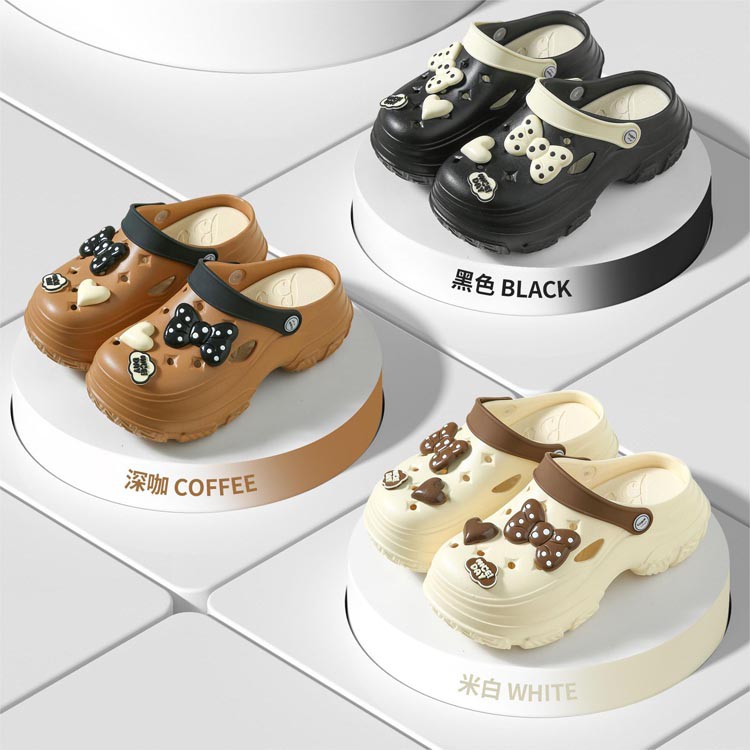
As a leading house clogs supplier, we understand the importance of providing high - quality products. Our clogs are made from premium materials, ensuring durability, comfort, and style. We offer a wide range of designs, including Unibody Clogs, EVA Clogs, and Sports Clogs, to meet the diverse needs of our customers.
Our team is dedicated to ensuring that you get the best value for your money. We pay attention to every detail in the manufacturing process, from the selection of materials to the finishing touches. Whether you're looking for clogs for everyday use around the house or for more active pursuits, we have the perfect pair for you.
Contact Us for Procurement
If you're in the market for new house clogs, whether you're an individual consumer or a business looking to stock our products, we'd love to hear from you. We offer competitive pricing, excellent customer service, and fast shipping. Contact us today to start the procurement process and find the perfect house clogs for your needs.
References
- "Footwear Technology and Design" by W. R. Cavanagh. This book provides in - depth knowledge about the materials and construction of footwear, which is relevant to understanding the durability and wear of house clogs.
- "The Science of Comfort in Footwear" by various authors. It explores the factors that contribute to the comfort of footwear, including cushioning and fit, which are important aspects when considering the signs of worn - out house clogs.