

How to tell if leather sandals are genuine?
Jun 04, 2025
Leave a message
Hey there! As a leather sandals supplier, I've seen my fair share of real and fake leather products. Figuring out if leather sandals are genuine can be a bit tricky, but don't worry—I'm here to share some tips that'll help you become a pro at spotting the real deal.
Look at the Price
Let's start with the obvious one: price. If a pair of sandals is dirt - cheap, chances are they're not made of real leather. Genuine leather is a premium material, and making sandals out of it involves a lot of work, from sourcing high - quality hides to the tanning process and then the actual crafting.
So, if you see a pair of supposed "leather sandals" that are way too affordable compared to others in the market, it's likely that they're Artificial Leather Sandals. On the flip side, a high price doesn't always guarantee authenticity, but it does increase the odds.
Check the Texture
Real leather has a unique texture that's hard to replicate. Run your fingers over the surface of the sandals. Genuine leather will feel soft and supple, with a bit of give. It should have natural variations in texture, like small bumps, pores, and unevenness.
These imperfections are a sign that it's a natural material. In contrast, fake leather often feels smooth and plastic - like. It might be too uniform in texture, lacking those little irregularities that make real leather so special. And if you press down on the leather, real leather will bounce back slowly, while fake leather will spring back quickly.
Examine the Edges
Take a close look at the edges of the sandals. In genuine leather sandals, the edges are usually finished neatly. They may be sanded, burnished, or have a natural, slightly rough look. The leather at the edges should match the quality of the rest of the sandal.
On the other hand, fake leather sandals might have rough or frayed edges. Sometimes, you can even see a clear demarcation between the "leather" part and the backing material. The edges of artificial leather may also be glued together in a way that looks less refined.
Smell the Sandals
One of the easiest ways to tell if leather is real is by its smell. Real leather has a distinct, earthy, and sometimes a bit of a musty smell. It's a natural odor that comes from the animal hide and the tanning process.
If you bring the sandals close to your nose and inhale, you should detect this characteristic scent. Fake leather, however, often has a strong chemical smell. It might smell like plastic or a harsh solvent, which is a dead giveaway that it's not the real thing.
Check the Stitching
Good quality leather sandals will have well - done stitching. Look at how the stitches are placed. In genuine leather, the stitches should be evenly spaced and tightly sewn. The thread should blend well with the leather and not look out of place.
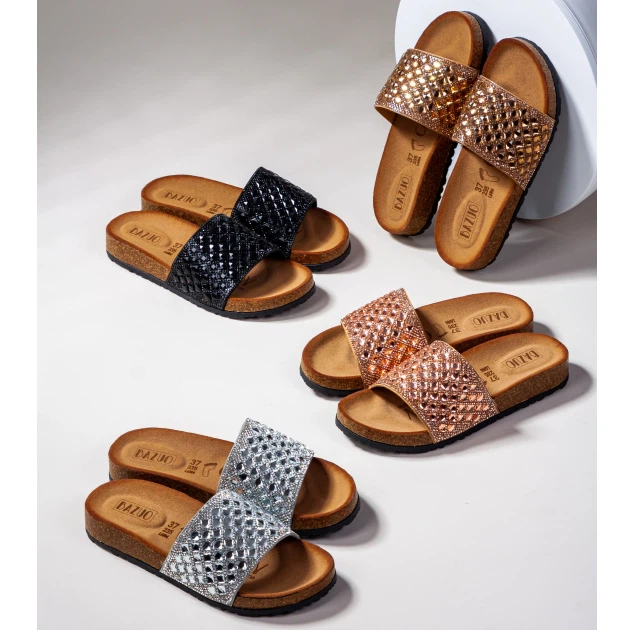

For fake leather sandals, the stitching might be loose or uneven. The thread may also be of a lower quality and more likely to come undone. Sometimes, the stitching on fake leather can look too perfect, as if it's been machine - made in a hurry without much attention to detail.
Look for Labels and Certifications
Many genuine leather products come with labels or tags indicating the type of leather used. Terms like "full - grain leather," "top - grain leather," or "genuine leather" can give you an idea of the quality.
Full - grain leather is the highest quality, as it uses the entire thickness of the hide and retains the natural grain. Top - grain leather is also of good quality, but it has been sanded and refinished slightly. Genuine leather is a bit more general and can refer to various grades.
In addition to labels, some leather products may have certifications from organizations that verify the authenticity of the leather. While these aren't foolproof, they do add an extra layer of credibility.
Bend and Flex the Sandals
Try bending and flexing the sandals. Real leather is flexible and will bend easily without cracking or splitting. As you move the sandals around, you'll notice that the leather stretches and molds to the shape of your movement.
Fake leather, on the other hand, may crack or crease in an unnatural way when bent. It might also lose its shape quickly and not bounce back to its original form.
Consider the Brand Reputation
Well - known brands that have a reputation for quality are more likely to sell genuine leather sandals. Do some research on the brand before making a purchase. Read reviews from other customers to see if they've had positive experiences with the leather products.
If a brand has a history of selling fake or low - quality leather, it's best to steer clear. You can also check if the brand has been in business for a long time. Established brands usually have better quality control and are more likely to stand behind their products.
Look at the Color
Real leather often has a rich, natural color. The color will penetrate the leather evenly and may have some variation due to the natural characteristics of the hide. When you look at the edges or the inside of the leather, the color should be consistent.
Fake leather may have a very bright or artificial - looking color. The color might also fade or rub off easily, especially when you rub it with a white cloth.
Test the Absorbency
This is a simple test you can do at home. Dampen a small, clean cloth and gently press it against an inconspicuous part of the sandals. Real leather will absorb the moisture slowly. You may see a small, dark spot where the moisture was applied, and it will gradually dry.
Fake leather will repel the moisture, and the water will bead up on the surface. This is because real leather is a porous material, while fake leather is usually non - porous.
Now, if you're in the market for some high - quality Women's Sandals or other types of sandals, and you want to make sure you're getting the real deal, I'm here to help. As a leather sandals supplier, I offer a wide range of genuine leather sandals that pass all these authenticity tests.
We also have EVA Sandals for those who prefer a more lightweight and affordable option. Whether you're looking for sandals for a casual day out or something more formal, we've got you covered.
If you're interested in purchasing our products in bulk or have any questions about our leather sandals, feel free to reach out. We're always happy to discuss your needs and help you find the perfect sandals for your customers.
References
- "The Complete Guide to Leather Goods: Identification, Grading, and Care" by Leather Expert Publishing
- "Leather: A Comprehensive Overview" from Leather Industry Journal
- Customer reviews and feedback on various leather sandal brands.