

How to make leather sandals less slippery?
Dec 26, 2025
Leave a message
Leather sandals are a staple in many wardrobes, offering both style and comfort. However, one common issue that many people face is the slipperiness of leather sandals, which can be a safety hazard, especially on wet or smooth surfaces. As a leather sandals supplier, I understand the importance of providing solutions to this problem. In this blog post, I will share some effective ways to make leather sandals less slippery.
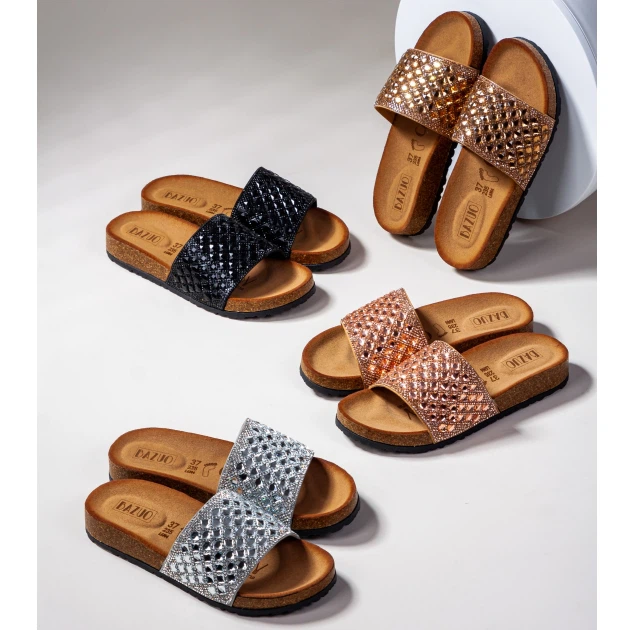
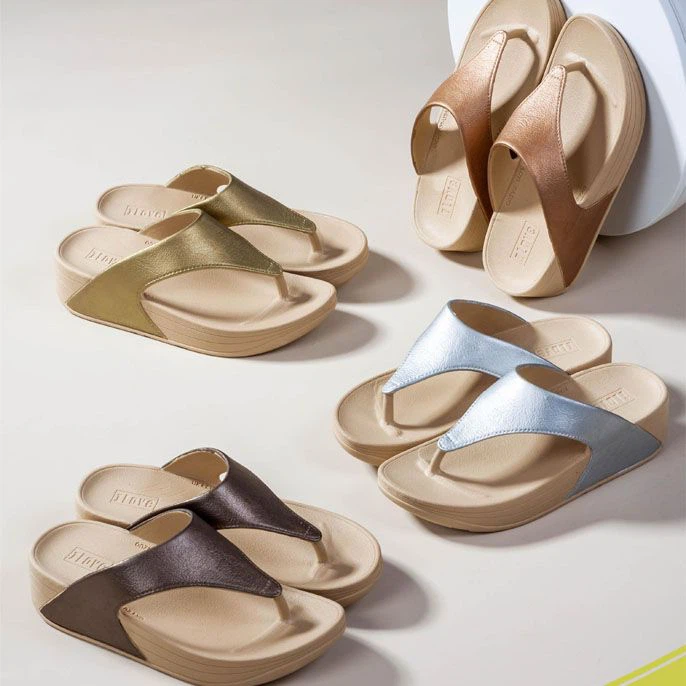
Understanding the Cause of Slipperiness
Before we delve into the solutions, it's important to understand why leather sandals can be slippery. Leather is a smooth material, and when it comes into contact with wet or smooth surfaces, there is less friction, which can cause the sandals to slide. Additionally, the soles of leather sandals are often made of materials that are not very grippy, such as leather or rubber that has worn down over time.
1. Choose the Right Soles
One of the most effective ways to make leather sandals less slippery is to choose sandals with soles that have good traction. Look for sandals with soles made of materials such as rubber or EVA (ethylene-vinyl acetate). These materials are known for their excellent grip and can significantly reduce the risk of slipping.
- Rubber Soles: Rubber is a popular choice for sandal soles because it provides good traction on a variety of surfaces. Look for sandals with deep treads or patterns on the soles, as these can help to increase friction and prevent slipping.
- EVA Soles: EVA is a lightweight and flexible material that is also known for its good traction. EVA Sandals are a great option for those who want a comfortable and non-slip sandal.
2. Add Traction Enhancers
If your leather sandals already have smooth soles, you can add traction enhancers to make them less slippery. There are several products available on the market that can help to improve the grip of your sandals.
- Traction Pads: Traction pads are small adhesive pads that you can attach to the soles of your sandals. They are available in a variety of shapes and sizes and can be easily cut to fit your sandals. Traction pads are a great option for those who want a quick and easy solution to the slipperiness problem.
- Sole Grips: Sole grips are similar to traction pads, but they are usually larger and cover more of the sole. They are also made of a more durable material and can last longer than traction pads. Sole grips are a good option for those who want a more permanent solution to the slipperiness problem.
3. Roughen the Soles
Another way to make leather sandals less slippery is to roughen the soles. This can help to increase friction and prevent slipping. There are several ways to roughen the soles of your sandals.
- Sandpaper: You can use sandpaper to roughen the soles of your sandals. Choose a medium-grit sandpaper and gently sand the soles in a circular motion. Be careful not to sand too hard, as this can damage the leather.
- Scouring Pad: A scouring pad is another option for roughening the soles of your sandals. Wet the scouring pad and gently rub it against the soles in a circular motion. This can help to create a rough surface that will provide more traction.
4. Treat the Leather
Treating the leather of your sandals can also help to make them less slippery. There are several products available on the market that can help to improve the grip of leather.
- Leather Conditioner: Leather conditioner can help to soften the leather and make it more flexible. This can also help to improve the grip of the leather. Apply the leather conditioner to the soles of your sandals and let it dry completely before wearing them.
- Grip Spray: Grip spray is a product that you can spray on the soles of your sandals to improve the grip. It is usually made of a rubber-like material that can provide good traction on a variety of surfaces. Spray the grip spray on the soles of your sandals and let it dry completely before wearing them.
5. Wear Socks
Wearing socks with your leather sandals can also help to make them less slippery. Socks can provide an extra layer of friction between your feet and the sandals, which can help to prevent slipping.
- Ankle Socks: Ankle socks are a great option for wearing with leather sandals. They are short enough to be hidden under the sandals, but they can still provide some extra grip.
- No-Show Socks: No-show socks are another option for wearing with leather sandals. They are designed to be hidden under the sandals, so they won't be visible. No-show socks can provide some extra grip without sacrificing style.
6. Be Careful on Wet Surfaces
Even if you have taken all the necessary steps to make your leather sandals less slippery, it's still important to be careful on wet surfaces. Wet surfaces can reduce the friction between the soles of your sandals and the ground, which can increase the risk of slipping.
- Avoid Wet Surfaces: If possible, avoid walking on wet surfaces when wearing your leather sandals. If you have to walk on a wet surface, take your time and walk carefully.
- Dry Your Sandals: If your sandals get wet, dry them thoroughly before wearing them again. This can help to prevent the leather from becoming slippery.
Conclusion
Making leather sandals less slippery is a simple process that can help to improve your safety and comfort. By choosing the right soles, adding traction enhancers, roughening the soles, treating the leather, wearing socks, and being careful on wet surfaces, you can significantly reduce the risk of slipping and enjoy your leather sandals to the fullest.
If you are interested in purchasing high-quality leather sandals that are less slippery, please feel free to contact us for more information. We offer a wide range of Women's Sandals and Artificial Leather Sandals that are designed to provide both style and comfort. Our team of experts is always available to help you find the perfect pair of sandals for your needs.
References
- "Leather Sandals: A Guide to Choosing the Right Pair." Footwear News, 2023.
- "How to Make Your Shoes Less Slippery." Real Simple, 2022.
- "The Best Traction Enhancers for Shoes." Reviewed, 2023.