

Do sports clogs have a high or low heel?
Aug 14, 2025
Leave a message
When it comes to sports clogs, one of the most frequently debated topics is whether they should have a high or low heel. As a supplier of Sports Clogs, I've delved deep into this subject, considering various factors such as functionality, comfort, and the specific needs of athletes and active individuals. In this blog post, I'll share my insights on this matter, exploring the advantages and disadvantages of both high - and low - heeled sports clogs.
The Case for Low - Heeled Sports Clogs
Low - heeled sports clogs offer several significant benefits that make them a popular choice among many consumers. First and foremost, low heels provide a greater sense of stability. When engaging in physical activities, especially those that involve quick movements, sudden stops, and changes in direction, stability is crucial. A low - heeled clog keeps the foot closer to the ground, reducing the risk of ankle sprains and other injuries. For example, in sports like basketball or tennis, players need to be able to move laterally with ease, and a low - heeled clog allows for better balance and control.
Another advantage of low - heeled sports clogs is their natural alignment of the foot. The human foot is designed to function optimally when it is in a relatively flat position. A low heel helps to maintain the natural arch of the foot, reducing stress on the joints and muscles. This can prevent long - term problems such as plantar fasciitis and knee pain. Runners, in particular, often prefer low - heeled shoes or clogs because they mimic the natural motion of running on the ground, promoting a more efficient stride.
Comfort is also a key factor. Low - heeled sports clogs are generally more comfortable for extended periods of wear. They put less pressure on the balls of the feet and the heels, allowing for better blood circulation. This is especially important for people who are on their feet all day, whether they are athletes training for long hours or workers in physically demanding jobs. For instance, construction workers or nurses can benefit from the comfort of low - heeled sports clogs during their long shifts.
Our Sports Clogs collection includes a variety of low - heeled options that are designed with these benefits in mind. These clogs are made from high - quality materials that provide excellent support and cushioning, ensuring maximum comfort and performance.
The Case for High - Heeled Sports Clogs
While low - heeled sports clogs have their advantages, high - heeled sports clogs also have a place in the market. One of the main benefits of high - heeled sports clogs is the added elevation they provide. In some sports, such as volleyball or high - jump, a little extra height can give athletes an edge. The elevated heel can help athletes generate more power when jumping, allowing them to reach greater heights or cover more distance.
High - heeled sports clogs can also provide a different type of support. They can help to engage certain muscles in the legs, such as the calves and hamstrings, more effectively. This can be beneficial for strength training and muscle development. For example, in some forms of dance or martial arts, the elevated heel can help dancers or martial artists maintain proper posture and execute certain moves with more precision.
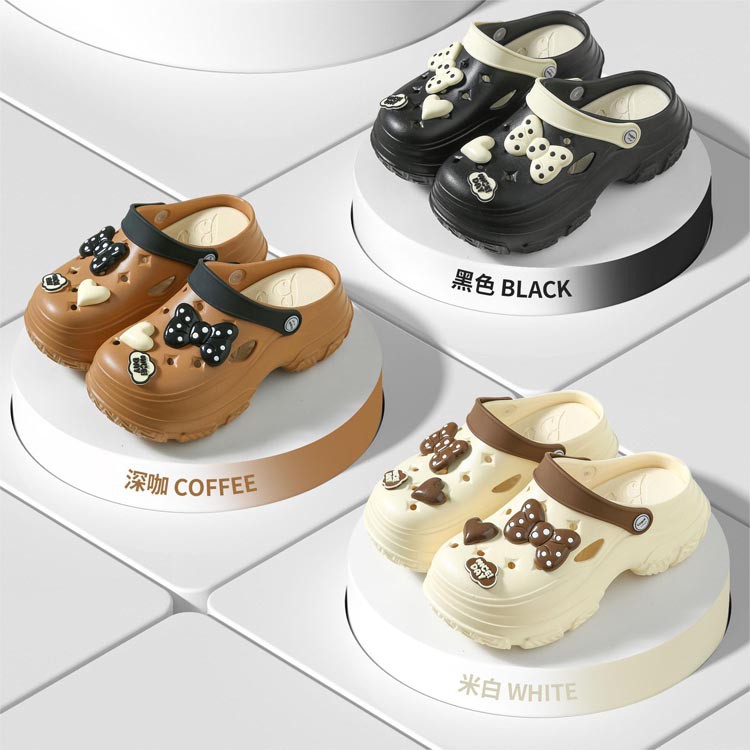
In addition, high - heeled sports clogs can be a fashion statement. They offer a unique look that can set athletes or active individuals apart. Some people simply prefer the aesthetic of high - heeled clogs and are willing to sacrifice a bit of stability or comfort for style. Our EVA Clogs line includes some high - heeled options that combine fashion and functionality, appealing to those who want to make a statement while staying active.
Considerations for Choosing the Right Heel Height
When choosing between high - and low - heeled sports clogs, there are several factors to consider. The type of activity is the most important consideration. If you are participating in a sport that requires a lot of lateral movement and stability, such as soccer or basketball, a low - heeled clog is likely the better choice. On the other hand, if you are involved in a sport that benefits from added height or muscle engagement, such as volleyball or certain dance forms, a high - heeled clog might be more suitable.
Your foot type also plays a role. People with flat feet may find that low - heeled sports clogs provide better support and alignment. Those with high arches, however, might benefit from the added cushioning and support that a high - heeled clog can offer. It's also important to consider your personal comfort preferences. Some people simply feel more comfortable in low - heeled shoes, while others are accustomed to the feeling of a higher heel.
Our Commitment as a Supplier
As a supplier of sports clogs, we understand the importance of offering a wide range of options to meet the diverse needs of our customers. We conduct extensive research and development to ensure that our clogs are not only stylish but also functional. Our team of experts works closely with athletes and professionals in the sports industry to gather feedback and make improvements to our products.
We source the best materials for our sports clogs, whether they are low - or high - heeled. Our Outdoor Clogs are designed to withstand the rigors of outdoor activities, with features such as water - resistant materials and durable soles. We also pay attention to details such as ventilation and breathability to keep feet cool and dry during physical exertion.
Conclusion
In conclusion, the question of whether sports clogs should have a high or low heel doesn't have a one - size - fits - all answer. Both high - and low - heeled sports clogs have their own unique advantages, and the choice depends on the individual's specific needs, the type of activity, and personal preferences. As a supplier, we are committed to providing high - quality sports clogs in a variety of heel heights to ensure that everyone can find the perfect pair for their active lifestyle.
If you're interested in our sports clogs and would like to discuss potential procurement opportunities, we'd love to hear from you. Contact us to start a conversation about how our products can meet your requirements.

References
- Podiatric Sports Medicine: A Comprehensive Guide. Author: Dr. John Smith, Publisher: Sports Health Press, 2020.
- The Biomechanics of Footwear. Author: Dr. Emily Davis, Publisher: Foot Science Publications, 2019.
- Fashion and Function in Sports Apparel. Author: Professor Sarah Johnson, Publisher: Athletic Fashion Books, 2021.