

Do home sandals need to be broken in?
Jul 24, 2025
Leave a message
Do home sandals need to be broken in? This is a question that many people often ask when they purchase a new pair of home sandals. As a supplier of home sandals, I have encountered various customers with different concerns about this issue. In this blog, I will delve into the topic, exploring whether home sandals really need to be broken in, factors that influence this need, and how to handle the breaking - in process.
Understanding the Concept of Breaking In
Breaking in shoes or sandals refers to the process of gradually adapting them to the shape and movement of your feet. During this period, the material softens, and the sandals conform to the unique contours of your feet, enhancing comfort. This process can also help prevent blisters, calluses, and other foot discomforts that may occur when wearing brand - new footwear.
Types of Home Sandals and Their Breaking - In Requirements
Leather Sandals
Leather is a natural material commonly used in the production of high - quality home sandals. Leather Sandals often require a certain period of breaking in. Leather is initially stiff and may not mold perfectly to the feet right out of the box. As you wear leather sandals, the natural oils from your feet seep into the leather, making it more supple. The leather fibers start to relax and adjust to the shape of your feet, providing a customized fit.
However, the breaking - in period for leather sandals can vary depending on the type of leather. Full - grain leather, which is the highest quality and most durable, may take longer to break in compared to top - grain or bonded leather. Full - grain leather has a tighter fiber structure, and it needs more time and wear to become flexible.
Women's Sandals
Women's Sandals come in a wide variety of styles, materials, and designs. Some women's home sandals are made from delicate materials such as satin or lace, which may not require much breaking in. These materials are often soft and flexible from the start. On the other hand, women's sandals with decorative elements like buckles or straps may need some adjustment. The straps might be a bit tight initially, and the buckles could rub against the skin.
In such cases, a short breaking - in period can be beneficial. You can start by wearing the sandals for short periods around the house to allow your feet to get used to the new fit and the feel of the decorative elements. This way, you can avoid potential discomfort when wearing them for longer periods.
EVA Sandals
EVA (Ethylene - Vinyl Acetate) Sandals are known for their lightweight and comfortable nature. EVA is a synthetic material that is soft and flexible right from the manufacturing process. In most cases, EVA sandals do not require a significant breaking - in period. They are designed to provide immediate comfort, with a cushioned sole that conforms well to the shape of the feet.
However, if the EVA sandals have a unique design, such as a high - arch support or a specific footbed shape, you may still need a short adjustment period. Your feet need to adapt to the new support and shape, but this usually takes only a few wears.
Factors Influencing the Need to Break In Home Sandals
Material Quality
As mentioned earlier, the quality of the material plays a crucial role in determining whether home sandals need to be broken in. High - quality materials, especially natural ones like leather, often require more time to break in. Cheaper or synthetic materials may be more pre - formed and ready to wear, reducing the need for a long breaking - in process.
Sandal Design
The design of the sandals also affects the breaking - in period. Sandals with complex designs, multiple straps, or unique closures may need more time for adjustment. For example, sandals with a lot of stitching or seams can rub against the skin until the edges are worn down and become smoother.
Foot Shape and Sensitivity
Everyone's feet are different in terms of shape, size, and sensitivity. People with wider feet or high arches may find that new sandals need more time to break in to accommodate their unique foot characteristics. Additionally, individuals with sensitive skin are more likely to experience discomfort from new sandals and may require a longer breaking - in period to avoid blisters and irritation.
How to Break In Home Sandals
Leather Sandals
If you have purchased a pair of leather home sandals that need to be broken in, there are several methods you can try. First, start by wearing the sandals for short periods each day. Begin with 15 - 30 minutes and gradually increase the wearing time as the leather becomes more flexible. You can also use a leather conditioner to soften the leather. Apply the conditioner according to the product instructions and let it soak in for a few hours or overnight.
Another technique is to use a shoe stretcher. A shoe stretcher can help expand the leather in specific areas, such as the toe box or the instep, to provide a more comfortable fit. Place the shoe stretcher in the sandals and adjust it to the desired width and length. Leave it in the sandals for a day or two to allow the leather to stretch.

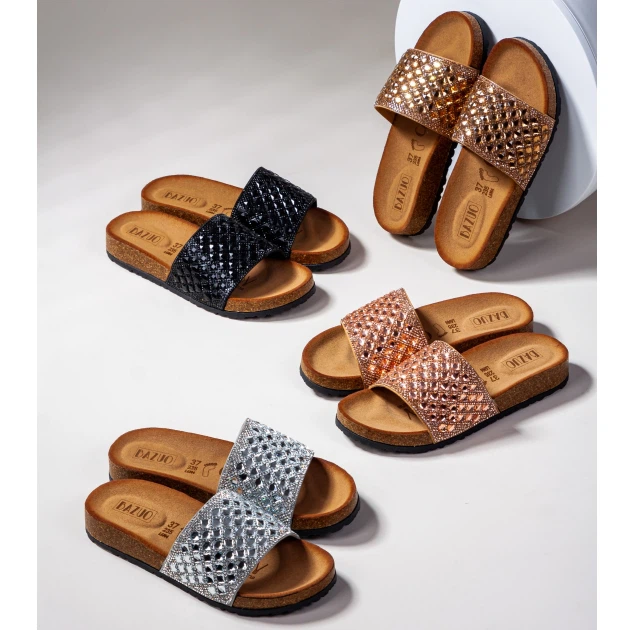
Other Sandals
For non - leather sandals, such as those made from EVA or other synthetic materials, you can still take some steps to ease the adjustment process. If the straps are too tight, you can try adjusting them or loosening the buckles slightly. You can also wear the sandals with thick socks initially to create a buffer between your feet and the sandals, reducing friction.
Benefits of Breaking In Home Sandals
Breaking in home sandals has several benefits. Firstly, it enhances comfort. When sandals are broken in, they fit your feet better, reducing the likelihood of blisters, calluses, and other foot problems. Secondly, it extends the lifespan of the sandals. By allowing the materials to adjust gradually, you prevent excessive stress on the seams and materials, which can lead to premature wear and tear.
Conclusion
In conclusion, whether home sandals need to be broken in depends on various factors such as the material, design, and your foot characteristics. Leather sandals generally require a longer breaking - in period, while EVA sandals may need only a short adjustment. Understanding the needs of your sandals and taking appropriate steps to break them in can significantly improve your wearing experience.
As a home sandals supplier, I am committed to providing high - quality products that are both comfortable and stylish. If you are interested in purchasing home sandals or have any questions about our products, I encourage you to reach out to me for further discussion. We can have a detailed conversation about the best sandals for your needs and how to ensure a smooth breaking - in process.
References
- "The Complete Guide to Leather Care." Leather Expert Magazine.
- "Footwear Design and Comfort." Journal of Foot Health.
- "Synthetic Materials in Footwear: Properties and Performance." Textile Research Journal.