

Can I wear sandals in the rain?
May 30, 2025
Leave a message
As a dedicated sandals supplier, I often get asked a variety of questions about sandals. One of the most interesting inquiries is whether it's okay to wear sandals in the rain. Let's dive into this topic and explore the ins and outs of wearing sandals when it's pouring outside.
The Design and Material Constraints
EVA Sandals
EVA (ethylene-vinyl acetate) sandals are a popular choice in our product range, especially during the summer months. You can check out our EVA Sandals to see the different styles we offer. These sandals are lightweight and flexible. They are designed to keep your feet cool and comfortable in warm weather. But how do they fare in the rain?
EVA is a relatively waterproof material. It won't absorb water easily, which is a great advantage. However, the construction of EVA sandals usually focuses on ventilation and breathability. So, while the material itself can withstand some exposure to water, the open design of the sandals means that your feet will still get wet. The soles of EVA sandals are also usually textured to provide grip on dry surfaces. In the rain, the effectiveness of these grips may be reduced, increasing the risk of slipping.
Leather Sandals
Leather is a classic material for sandals, offering both style and durability. Our Leather Sandals are crafted with high - quality leather to ensure a long - lasting and comfortable fit. When it comes to rainy weather, leather has its own set of challenges.
Leather is porous and will absorb water. If leather sandals are worn in the rain, the leather can become saturated, which may lead to stretching, warping, and a loss of shape. Over time, repeated exposure to water can cause the leather to dry out and crack. Additionally, leather tends to be heavier when wet, which can make walking uncomfortable. To protect leather sandals, they need to be properly dried and conditioned if they do get wet, which requires extra maintenance.
Women's Sandals
Our Women's Sandals come in a wide variety of styles, from delicate strappy designs to more robust, casual ones. Women often have different concerns when it comes to wearing sandals in the rain. For example, many women's sandals have decorative elements such as beads, sequins, or delicate stitching. These elements can be damaged by water.

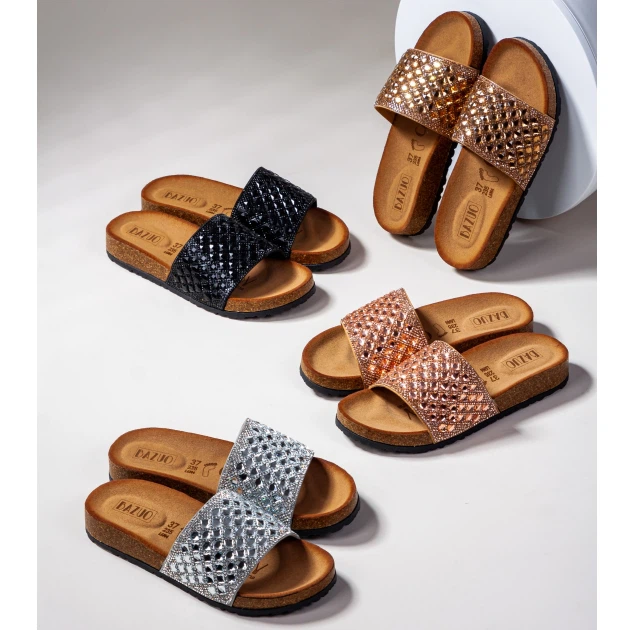
The high heels that are common in some women's sandals can also pose a problem in the rain. The soles may become slippery, and walking on wet surfaces with high heels can be extremely difficult and dangerous. Even flat - soled women's sandals may have a design that is not suited for the rain, as they are often made with materials and construction that prioritize style over wet - weather functionality.
Safety Concerns
Regardless of the type of sandals, wearing them in the rain presents several safety hazards. As mentioned earlier, the risk of slipping is significantly increased. Wet surfaces, whether it's pavement, sidewalks, or grass, can be extremely slippery, and the open - toed and often less - stable design of sandals does not help in maintaining good traction.
In addition to slipping, there are other safety issues. When walking through puddles in sandals, your feet are exposed to sharp objects such as broken glass, nails, or thorns that may be hidden under the water. You are also more likely to come into contact with contaminated water, which can carry bacteria, viruses, or chemicals that can cause infections or skin problems.
When Wearing Sandals in the Rain Might Be Okay
There are a few situations where wearing sandals in the rain could be acceptable. If you are in a very light drizzle and the ground is not overly wet, and you are walking on a short, clean path, you may be able to get away with it. For example, if you are walking from your car to a nearby café and the rain is just a gentle mist, your sandals may not get too wet, and the risk of slipping is relatively low.
Another scenario is if you are on a beach and it starts to rain. The sand provides some natural grip, and your sandals are likely to dry quickly. However, you still need to be cautious of potential sharp objects in the sand and the strength of the rain, as heavy rain can cause strong currents and dangerous conditions.
What to Do if Your Sandals Get Wet
If your sandals do get wet, it's important to take proper care of them to ensure their longevity. For EVA sandals, you can simply wipe them dry with a clean cloth. Let them air - dry in a well - ventilated area. Avoid direct sunlight or heat sources, as this can cause the material to warp or degrade.
For leather sandals, the process is more involved. First, remove as much water as possible by blotting with a dry cloth. Then stuff the sandals with newspaper to absorb the remaining moisture and help them keep their shape. Let them dry slowly in a cool, dry place. Once they are dry, apply a leather conditioner to prevent cracking and keep the leather soft.
If the sandals have any metal parts, such as buckles or eyelets, make sure they are dry and clean to prevent rust.
Conclusion
In general, while it's possible to wear sandals in the rain in certain circumstances, it's not recommended due to the potential damage to the sandals and the safety risks involved. As a sandals supplier, I always want my customers to get the most out of their purchases, and wearing sandals in the rain can significantly reduce their lifespan and functionality.
If you are looking for high - quality sandals that are suitable for various weather conditions, our product range offers a diverse selection. Whether you are interested in EVA sandals for their lightness and comfort, leather sandals for their classic style, or women's sandals for their fashionable designs, we have something to meet your needs.
If you are a retailer interested in stocking our sandals or an individual looking to make a bulk purchase, I invite you to reach out to us to start a采购洽谈 (oops, sorry, I meant procurement negotiation). We offer competitive prices, quality products, and excellent customer service.
References
- "Shoe Materials and Their Properties," Journal of Footwear Science
- "Safety Risks Associated with Footwear in Different Environments," International Journal of Slip and Fall Prevention
- "Leather Care and Maintenance," Leather Industry Quarterly