

Are leather sandals good for people with sensitive skin?
Sep 19, 2025
Leave a message
When it comes to footwear for those with sensitive skin, the choice can be a daunting one. As a supplier of leather sandals, I've encountered numerous customers who are concerned about whether leather sandals are a suitable option for their delicate skin. In this blog, I'll delve into the intricacies of leather sandals and their compatibility with sensitive skin, drawing on scientific knowledge and practical experience.
Understanding Sensitive Skin
Sensitive skin is characterized by its heightened reactivity to various external factors. It can be prone to irritation, redness, itching, and dryness. Common triggers include certain chemicals, synthetic materials, extreme temperatures, and friction. People with sensitive skin often have a weakened skin barrier, which makes it easier for irritants to penetrate and cause discomfort.
The Nature of Leather
Leather is a natural material derived from animal hides. It has been used for centuries in the production of footwear due to its durability, breathability, and flexibility. There are different types of leather, including full - grain, top - grain, and corrected - grain leather, each with its own characteristics.
Full - grain leather is the highest quality and retains the natural grain and markings of the animal hide. It is the most breathable and durable type of leather, but it can also be more expensive. Top - grain leather is slightly less expensive and has a more uniform appearance as the surface has been sanded and refinished. Corrected - grain leather has a more artificial look as it has been heavily processed to cover up natural imperfections.
Advantages of Leather Sandals for Sensitive Skin
Breathability
One of the key benefits of leather sandals for people with sensitive skin is their breathability. Leather allows air to circulate around the feet, which helps to keep them dry and reduces the risk of moisture - related skin problems such as fungal infections and rashes. A study published in the Journal of Dermatological Science found that feet enclosed in non - breathable footwear were more likely to develop skin issues compared to those wearing breathable materials like leather.
Softness and Flexibility
Leather is a soft and flexible material that conforms to the shape of the foot over time. This reduces friction and pressure points, which can be particularly beneficial for sensitive skin. Unlike some synthetic materials that can be stiff and rigid, leather sandals move with the foot, minimizing the risk of blisters and abrasions.
Hypoallergenic Properties
In general, leather is considered a hypoallergenic material. It is less likely to cause allergic reactions compared to some synthetic materials that may contain chemicals such as formaldehyde, dyes, and adhesives. However, it's important to note that some people may still be allergic to certain types of leather or the tanning agents used in the manufacturing process.
Potential Drawbacks of Leather Sandals for Sensitive Skin
Tanning Agents
The tanning process is used to convert animal hides into leather. Traditional tanning methods often involve the use of chemicals such as chromium salts, which can be irritating to sensitive skin. However, many modern tanneries now use more eco - friendly and skin - friendly tanning agents, such as vegetable tannins. When purchasing leather sandals, it's important to look for products that are labeled as using natural or low - chemical tanning methods.
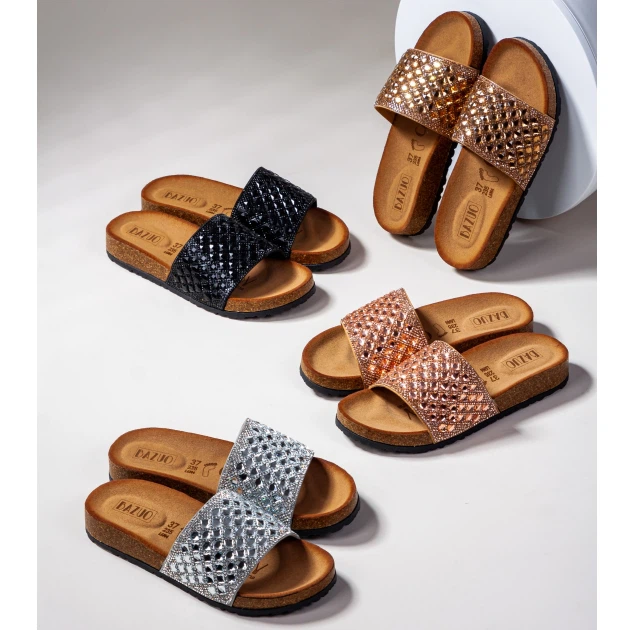

Maintenance
Leather requires proper maintenance to keep it in good condition. If leather sandals are not cleaned and conditioned regularly, they can become dry and cracked, which can cause irritation to sensitive skin. Additionally, some leather cleaning products may contain harsh chemicals that can be harmful to sensitive skin. It's important to use gentle, natural cleaning products specifically designed for leather.
Alternatives to Leather Sandals
If leather sandals are not suitable for your sensitive skin, there are several alternatives available.
Artificial Leather Sandals
Artificial leather, also known as synthetic leather or faux leather, is a man - made material that mimics the look and feel of real leather. It can be a more affordable option and is often easier to clean and maintain. However, some artificial leathers may contain chemicals that can be irritating to sensitive skin, so it's important to choose high - quality products.
EVA Sandals
EVA (ethylene - vinyl acetate) is a lightweight and flexible material that is commonly used in the production of sandals. It is known for its shock - absorbing properties and is often hypoallergenic. EVA sandals are also easy to clean and dry quickly, making them a practical choice for people with sensitive skin.
Tips for Choosing Leather Sandals for Sensitive Skin
- Choose High - Quality Leather: Opt for full - grain or top - grain leather as they are less processed and more breathable.
- Check the Tanning Method: Look for sandals that are tanned using natural or low - chemical methods.
- Test for Allergies: Before purchasing a new pair of leather sandals, it's a good idea to test a small area of the leather on your skin to check for any allergic reactions.
- Consider the Fit: Make sure the sandals fit properly and do not rub or pinch the feet. A well - fitting sandal will reduce the risk of friction and irritation.
Conclusion
In conclusion, leather sandals can be a good option for people with sensitive skin, thanks to their breathability, softness, and hypoallergenic properties. However, it's important to choose high - quality leather and be aware of the potential drawbacks, such as the tanning agents used and the need for proper maintenance. If leather is not suitable, there are alternative options such as artificial leather and EVA sandals.
As a supplier of leather sandals, I am committed to providing high - quality products that are suitable for people with sensitive skin. We offer a wide range of Women's Sandals made from the finest leather, using eco - friendly tanning methods. If you are interested in purchasing our leather sandals or have any questions about their suitability for sensitive skin, please feel free to contact us for a procurement discussion.
References
- Journal of Dermatological Science. (Year). Study on the relationship between footwear breathability and skin health.
- Textile Research Journal. (Year). Comparison of the properties of different types of leather and their impact on skin.