

Are clogs suitable for work?
Jul 30, 2025
Leave a message
When it comes to work footwear, the choice is often a balance between comfort, functionality, and style. Clogs, a type of footwear with a distinct design, have been around for centuries and have seen a resurgence in popularity in recent years. As a clogs supplier, I've had the opportunity to explore the question: Are clogs suitable for work? In this blog post, I'll delve into the various aspects of clogs and evaluate their suitability for different work environments.
Comfort and Support
One of the primary reasons clogs are considered suitable for work is their comfort. Many clogs are designed with ergonomic features that provide excellent support for the feet. The thick, cushioned soles absorb shock and reduce the impact on the feet, making them ideal for jobs that require long hours of standing or walking. For example, healthcare professionals, chefs, and factory workers often spend extended periods on their feet, and clogs can help alleviate the fatigue and discomfort associated with prolonged standing.
In addition to shock absorption, clogs also offer good arch support. The arch of the foot plays a crucial role in maintaining balance and distributing weight evenly. A clog with proper arch support can help prevent foot problems such as plantar fasciitis and flat feet. Some clogs even come with removable insoles, allowing users to customize the level of support according to their needs.
Hygiene and Easy Maintenance
Another advantage of clogs in the workplace is their hygiene. Many clogs are made from materials that are easy to clean and sanitize. For instance, EVA Clogs are typically made from ethylene-vinyl acetate, a lightweight and waterproof material that can be easily wiped clean. This makes them suitable for jobs in environments where cleanliness is a priority, such as hospitals, kitchens, and laboratories.
Clogs also have an open-back design, which allows air to circulate around the feet. This helps prevent the buildup of moisture and odor, keeping the feet dry and fresh. In comparison, closed-toe shoes can trap sweat and bacteria, leading to unpleasant odors and potential foot infections.
Safety Features
Safety is a top concern in many workplaces, and clogs can offer several safety features. Some clogs are designed with slip-resistant soles, which provide excellent traction on wet or slippery surfaces. This is particularly important for jobs in industries such as food service, healthcare, and manufacturing, where spills and wet floors are common.
In addition to slip resistance, some clogs also have protective toe caps. These toe caps can protect the feet from falling objects, heavy machinery, and other hazards. Workers in construction, warehouses, and factories can benefit from the added protection provided by clogs with toe caps.
Style and Versatility
Clogs are no longer just functional footwear; they have also become a fashion statement. There are many different styles and designs of clogs available, ranging from classic wooden clogs to modern, trendy styles. This means that workers can choose clogs that not only meet their functional needs but also match their personal style.
Sports Clogs are a popular choice for active workers. They are designed with a more athletic look and often feature breathable materials and shock-absorbing soles. These clogs are suitable for jobs that require a lot of movement, such as fitness instructors, postal workers, and delivery drivers.

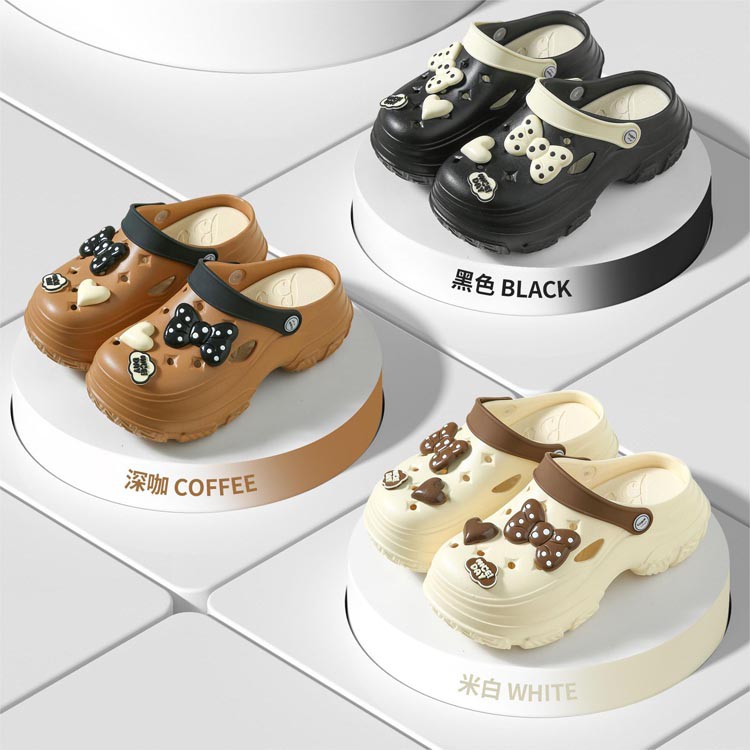
Outdoor Clogs are another option for workers who spend a lot of time outdoors. They are typically made from durable materials that can withstand rough terrain and harsh weather conditions. Outdoor clogs are suitable for jobs in industries such as landscaping, agriculture, and forestry.
Considerations for Different Work Environments
While clogs offer many benefits, their suitability for work depends on the specific work environment. Here are some considerations for different types of work:
Healthcare
In healthcare settings, clogs are a popular choice due to their comfort, hygiene, and safety features. They are easy to clean and sanitize, which is essential for preventing the spread of infections. However, it's important to choose clogs that are approved by the relevant healthcare authorities and meet the necessary safety standards.
Food Service
In the food service industry, clogs are a practical choice because they are easy to clean and offer good slip resistance. They also help keep the feet dry and comfortable during long shifts. However, it's important to choose clogs that are made from food-safe materials and do not have any small parts that could pose a choking hazard.
Manufacturing and Construction
In manufacturing and construction, clogs with protective toe caps and slip-resistant soles are essential for safety. They can protect the feet from falling objects, heavy machinery, and slippery surfaces. However, it's important to ensure that the clogs fit properly and do not restrict movement.
Office Environments
In office environments, clogs can be a comfortable alternative to traditional office shoes. They offer good support and can be dressed up or down depending on the dress code. However, it's important to choose clogs that are appropriate for the office setting and do not look too casual.
Conclusion
In conclusion, clogs can be a suitable choice for work in many different environments. They offer comfort, support, hygiene, safety, and style, making them a versatile option for workers. However, it's important to choose the right type of clogs based on the specific work requirements and environment.
As a clogs supplier, I'm committed to providing high-quality clogs that meet the needs of our customers. If you're interested in exploring our range of clogs for your workplace, I encourage you to contact us for a procurement discussion. We can help you choose the right clogs for your specific needs and provide you with competitive pricing and excellent customer service.
References
- American Podiatric Medical Association. (n.d.). Foot Health Tips. Retrieved from [Website URL]
- Occupational Safety and Health Administration. (n.d.). Foot Protection. Retrieved from [Website URL]
- World Health Organization. (n.d.). Guidelines on Hand Hygiene in Health Care. Retrieved from [Website URL]